Physical Geography
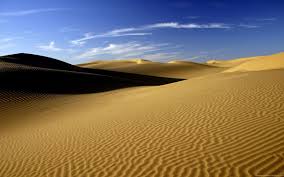
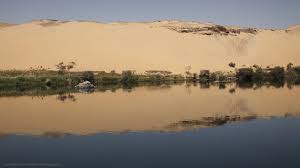
In Ancient Egypt, Egyptians divided land into two groups: red land and black land. The land that was fertile was called the "black" land and it was used for growing crops, because the ground was so abundant and full of nutrients from the Nile. It was named the "black" land, because of the black silt in the Nile. The desert was called the "red" land. It surrounded the black land and took up 90% of Ancient Egypt. It provided many raw supplies such as metals and other precious materials. The Nile (part of the "black" land) provided transportation down the Nile and was an easy source of nutrients at the flood every year, helping the Egyptian crops.
How is Ancient Egypt Different than Other Civilizations?
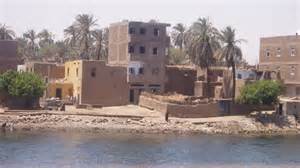
Ancient Egypt is different than other civilizations due mainly to the climate in Egypt. The hot, dry sandy area of Ancient Egyptian settlements affected the clothing, housing, and even supplies. Egyptians wore kilts, skirts, tunics, long wraps and some dresses. Sometimes, the men would wear aprons, too. This is due to the hot weather. Also, houses were made of clay, mud, and papyrus reeds, because Egypt had no forests and wood was scarce. Some supplies were limited, because Egypt had no forests, not many lakes, and not many different types of plants. Supplies like clay, minerals, and reeds of various plants were more plentiful, because of the climate.
Ancient Egypt is also different than other civilizations, because they did not have a lot of other civilizations to conquer around them.
How Ancient Egypt's Unique
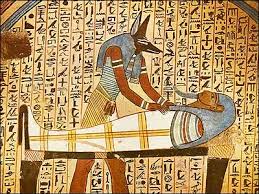
From the great pyramids of Giza, to the long Nile river, Ancient Egypt is very unique. Ancient Egyptians created not only medications, but a medication for nearly everything. A form of pain reliever was made from a willow tree tea 5,000 years before we discovered/created aspirin. Also, the ancient Egyptians "mummified" the dead, because they believed that once you died your soul lived on, so they prepared the dead for the "afterlife". Priests and religious workers would remove all organs except the heart, because the heart was the most important organ, and then would wrap the body with linens and bands to protect the body. In other civilizations, for example ancient Greece, people would be buried in a family tomb or by themselves instead of being mummified. Lastly, ancient Egypt stands out for all of it's religious beliefs. The Egyptians believed in many gods that each took a role in life--creation, the floods, towns, and even a god for different people. Today there are many different religions, but Egyptian gods still stand out among others, because of the diversity from other gods and religions. Ancient Egypt is unique due to medicines, mummification, and religious beliefs.
Map
By Megan Thompson